


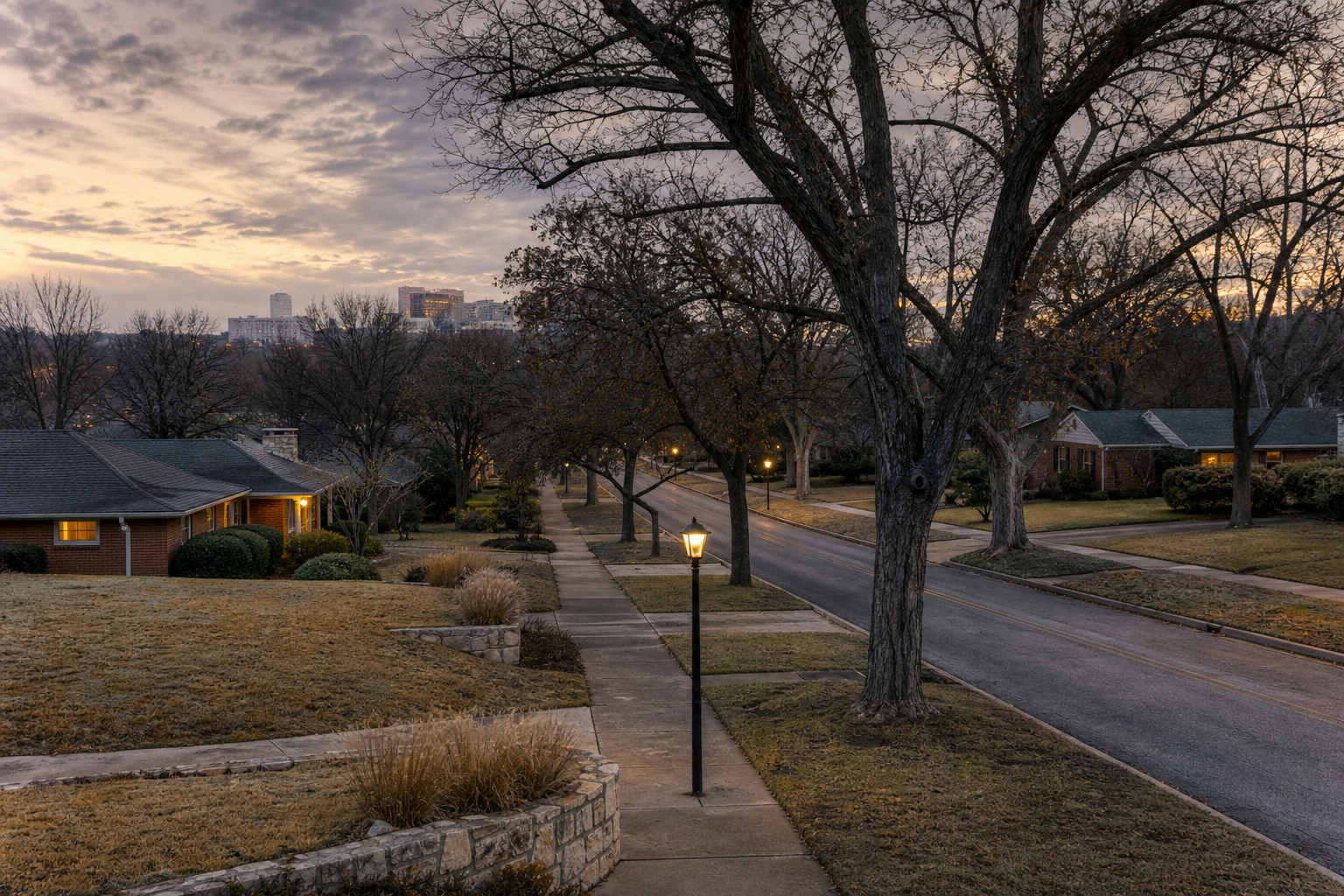
If you’re thinking about buying a home near public transportation in Fort Worth, what factors should guide your decision?
We recommend evaluating what transit options actually exist today, not just what is planned, while also weighing station access, commute patterns, neighborhood character, and housing costs before making your move.
Why Fort Worth Public Transportation Matters for Homebuyers Right Now
Fort Worth just hit a major milestone. On October 29, 2026, the city officially broke ground on the TEXRail Near Southside and Medical District Extension, a 2.1-mile, $270 million project led by Trinity Metro. This is not a proposal sitting on a whiteboard somewhere. Construction is actively underway, managed by Fort Worth Transit Partners, a joint venture of Stacy Witbeck and Sundt Construction.
What we tell our clients is this: a groundbreaking changes the conversation. It shifts a neighborhood from “something might happen here someday” to “something is happening here now.” The extension will connect the existing Fort Worth T&P Station to a brand-new Near Southside Station in the heart of the Medical District. That is a direct link to Baylor Scott and White All Saints Medical Center, Cook Children’s Medical Center, and dozens of other employers.
Meanwhile, the broader Texas housing market is giving buyers more room to breathe. According to Texas REALTORS’ quarterly housing report, statewide active listings rose 7.4% year over year as of Q1 2026, and homes averaged 80 days on market. Statewide inventory stood at roughly 5 months. If you have been waiting for a window to make a smart, well-researched purchase near transit in Fort Worth, the conditions are worth your attention.
What the TEXRail Extension Means for Fort Worth’s Near Southside
So what exactly is being built? Let us walk you through the details, because they matter more than a headline.
The TEXRail extension covers 2.1 miles and connects downtown Fort Worth’s T&P Station to a new Near Southside Station. The project includes a center-platform passenger station, a park-and-ride facility, rail signal and communications systems, retaining walls, pedestrian connections, lighting, signage, and a crew room. Baylor Scott and White Health donated approximately 1.76 acres for the station site, which tells you something about how committed the area’s major institutions are to making this work.
Who Benefits Most from This Extension
If you work in Fort Worth’s Medical District, this is a big deal. The station is designed to serve one of the city’s largest concentrations of healthcare employers, educational institutions, and businesses. Once operational, riders will be able to connect from Near Southside to downtown Fort Worth, North Tarrant County, Grapevine, and DFW International Airport.
Here is the number that shows this is not speculative: TEXRail recorded more than 1 million rides during fiscal year 2026, according to Trinity Metro. This extension builds on proven demand, not wishful thinking.
The Timeline You Need to Know
Current project estimates place passenger service beginning in late 2029. These are estimates, not guaranteed dates. That is roughly three years from now. In our experience, one thing we always remind buyers is this: plan your purchase around transportation options that exist today, and treat the future station as a potential bonus. If you depend on public transit for your daily commute, you need a plan that works right now, not just in 2029.
How to Evaluate Homes Near Fort Worth Public Transportation
Buying near a transit station is not as simple as drawing a circle on a map. Here is what you should actually be thinking about.
Actual Walking Distance and Route
A home might be “near” a station on a map but require a 20-minute walk along a route with no sidewalks or safe crossings. Before you get excited about a listing near the future Near Southside Station, check the pedestrian infrastructure. Are there sidewalks? Street lighting? A route you would feel comfortable walking in the early morning or after dark?
Current Transportation Options
Right now, the Near Southside Station does not exist as an operating transit stop. What does exist? The Fort Worth T&P Station serves TEXRail’s current route. Bus service operates in the area. Driving remains a common commute method for Fort Worth residents. We encourage you to test your actual commute, using existing options, before making an offer.
Park-and-Ride Considerations
The new station will include a park-and-ride facility. This matters if you are considering homes in adjacent neighborhoods like Mistletoe Heights, which sits near the Near Southside corridor. You may not live within walking distance of the platform, but a short drive to a park-and-ride lot could still cut your overall commute time significantly. Think of it as a hybrid approach: drive a little, ride a lot.
Neighborhood Character Beyond the Station
A transit stop does not define a neighborhood. The Near Southside already has its own identity, anchored by healthcare employment, walkable businesses, and a strong community presence. Mistletoe Heights is located adjacent to the Near Southside corridor. When you are evaluating homes in Dallas, ask yourself whether the neighborhood works for your lifestyle independent of the transit project. If the station is a cherry on top rather than the entire sundae, you are making a more resilient decision.
Does a Planned Transit Station Affect Fort Worth Home Values?
This is one of the most common questions we hear, and it deserves a careful, honest answer.
What the Evidence Actually Supports
Many buyers assume that a planned transit station automatically raises nearby property values. That is not how it works. The actual effect on home values depends on a combination of factors: service frequency once the station is operational, surrounding development, local housing supply, buyer demand, and the quality of the station infrastructure itself.
We have not seen verified data showing that proximity to the future Near Southside Station has already produced a measurable price premium in the surrounding neighborhoods. That does not mean it will not happen eventually, but it means you should not pay a premium today based on an assumption about tomorrow.
How to Think About Pricing
The statewide Texas median home price was $328,000 as of Q1 2026, according to Texas REALTORS’ market data. For the first time in more than a decade, that figure was lower than the same quarter the previous year. What does that actually mean for your search in Fort Worth? It means the broader market is not pushing prices upward the way it was a few years ago, and you may have more room to negotiate.
We always encourage our clients to evaluate comparable properties and recent sales in the specific neighborhood you are considering, rather than relying on citywide averages or making value assumptions tied to a future infrastructure project.
Transit-Oriented Development in Fort Worth: What Is Real and What Is Conceptual
You may have heard about plans for housing, retail, office space, and public amenities around the future Near Southside Station. Let us be clear about what that means.
Preliminary Plans vs. Approved Projects
Earlier planning discussions for the Near Southside explored transit-oriented development concepts around the station area. These included potential housing, commercial space, improved pedestrian connections, and public gathering spaces. Those were preliminary concepts from prior planning sessions, not approved or funded construction projects.
If you are buying in the area because you expect a walkable mixed-use village to appear around the station, we strongly recommend verifying any specific development’s status directly with the City of Fort Worth. The difference between a concept and a concrete project can be years and millions of dollars.
Why This Matters for Your Purchase Decision
What we see with buyers here is a natural enthusiasm about neighborhood transformation. That enthusiasm is healthy, but it needs to be grounded in facts. If transit-oriented development does materialize, it could add convenience, walkability, and amenities over time. If it does not, or if it takes a decade longer than expected, you still need a home that works for your life right now.
Buy a home you love in a neighborhood that serves you today. Let future development be a potential upside, not the reason you stretched your budget.
Commuting from Fort Worth’s Near Southside: What Your Options Look Like Today
You do not have to wait until 2029 to benefit from Fort Worth’s transit infrastructure. Here is what is available right now.
Existing TEXRail Service
TEXRail currently operates from the Fort Worth T&P Station, providing connections to North Tarrant County, Grapevine, and DFW International Airport. If you live or work near downtown Fort Worth, this is already a functional commuter option. We recommend checking current schedules, fares, and operating hours directly with Trinity Metro to confirm they align with your daily routine.
Bus and Multi-Modal Options
Fort Worth’s bus network serves the Near Southside and Medical District areas. For some commuters, a combination of bus and rail can work. For others, the frequency and coverage may not match what you need. Test it before you commit.
The Practical Commuter Question
Here is the question we encourage every buyer to answer honestly: if the new station never opens, would you still want this home? If the answer is yes because of the neighborhood, the proximity to work, the schools, or the lifestyle, then you are making a solid decision. If the answer is no, that is a red flag worth paying attention to.
Frequently Asked Questions
What is the TEXRail extension in Fort Worth?
The TEXRail Near Southside and Medical District Extension is a 2.1-mile project connecting the existing Fort Worth T&P Station to a new Near Southside Station. Led by Trinity Metro, the approximately $270 million project broke ground on October 29, 2026. It will serve Fort Worth’s Medical District, including major healthcare employers, and provide regional rail connections.
When will the new Fort Worth Near Southside TEXRail station open?
Current project planning estimates place passenger service beginning in late 2029. These are estimates, not guaranteed dates. Construction timelines for large infrastructure projects can shift, so we recommend following Trinity Metro for the most current updates.
What neighborhoods in Fort Worth are near the future TEXRail station?
The Near Southside is the most directly connected neighborhood. Mistletoe Heights is an established residential community adjacent to the Near Southside corridor. Depending on the final station entrance location and pedestrian access points, surrounding areas may also benefit from improved transit access.
Does Fort Worth have commuter rail service right now?
Yes. TEXRail currently operates from Fort Worth’s T&P Station, connecting to North Tarrant County, Grapevine, and DFW International Airport. The service recorded more than 1 million rides during fiscal year 2026, according to Trinity Metro. The Near Southside extension will add another stop to this existing system.
Should you buy a home near a planned transit station before it opens?
You can, but we recommend basing your decision on current transportation options, not future ones. Treat the planned station as a potential benefit, and make sure the home, neighborhood, and existing commute options meet your needs today. A three-year construction timeline means you will be living there well before service begins.
How does public transportation affect where you should buy a home in Fort Worth?
Transit access can influence daily convenience, commute costs, and lifestyle. However, it is one factor among many. You should also weigh proximity to work, neighborhood character, schools, housing costs, and the condition of the home itself. In our experience, the best purchase decisions balance multiple priorities rather than hinging on a single amenity.
Is Mistletoe Heights a good neighborhood for Fort Worth commuters?
Mistletoe Heights is an established neighborhood adjacent to the Near Southside corridor. Its proximity to the future station area and the Medical District makes it worth exploring if you work in that part of Fort Worth. We recommend visiting the neighborhood in person and testing your commute using current transportation options before making a decision.
Will the TEXRail extension increase home values near the Fort Worth station?
There is no verified data showing that the planned station has already produced a price premium in surrounding neighborhoods. Whether home values are affected long term will depend on factors like service frequency, surrounding development, housing supply, and buyer demand. We encourage you to evaluate homes based on current comparable sales, not assumptions about future appreciation.
What will the new Fort Worth Near Southside Station include?
According to project details, the station will feature a center-platform passenger station, a park-and-ride facility, rail signal and communications systems, retaining walls, pedestrian connections, lighting, and signage. The park-and-ride component is especially relevant if you do not live within walking distance but want to use the rail connection.
What is transit-oriented development, and is it happening in Fort Worth’s Near Southside?
Transit-oriented development refers to housing, commercial space, and public amenities planned around a transit station to encourage walkability and reduce car dependence. Earlier planning discussions explored these concepts for the Near Southside station area, but those were preliminary ideas, not approved projects. We recommend verifying any specific development’s status with the City of Fort Worth.
The Bottom Line
Fort Worth’s TEXRail extension is a real, funded, $270 million project that broke ground in October 2026. It is not a rumor or a maybe. For buyers considering homes in the Near Southside, Mistletoe Heights, or surrounding Fort Worth neighborhoods, it adds a compelling layer to the conversation about commuting, convenience, and long-term neighborhood growth.
But here is what we always come back to: buy a home that works for your life today. Evaluate the neighborhood on its own merits, test your commute with current options, verify any development plans directly, and do not pay a premium for promises that have not been delivered yet. The future station should feel like a bonus, not a gamble.
If you are exploring Fort Worth or anywhere across the Dallas-Fort Worth real estate market and want someone to walk you through your options with straight talk and real local knowledge, we would love to help. Jamie Simpson with Unlocking DFW Realty is a Real Estate Negotiation Expert and certified New Home Sales Agent who specializes in helping relocating buyers and first-time purchasers make confident decisions. You can reach us at 214-509-8094 or visit unlocking-dfw.com to start the conversation.

Leave a Reply