How can zoning and development decisions in Dallas affect your home purchase?
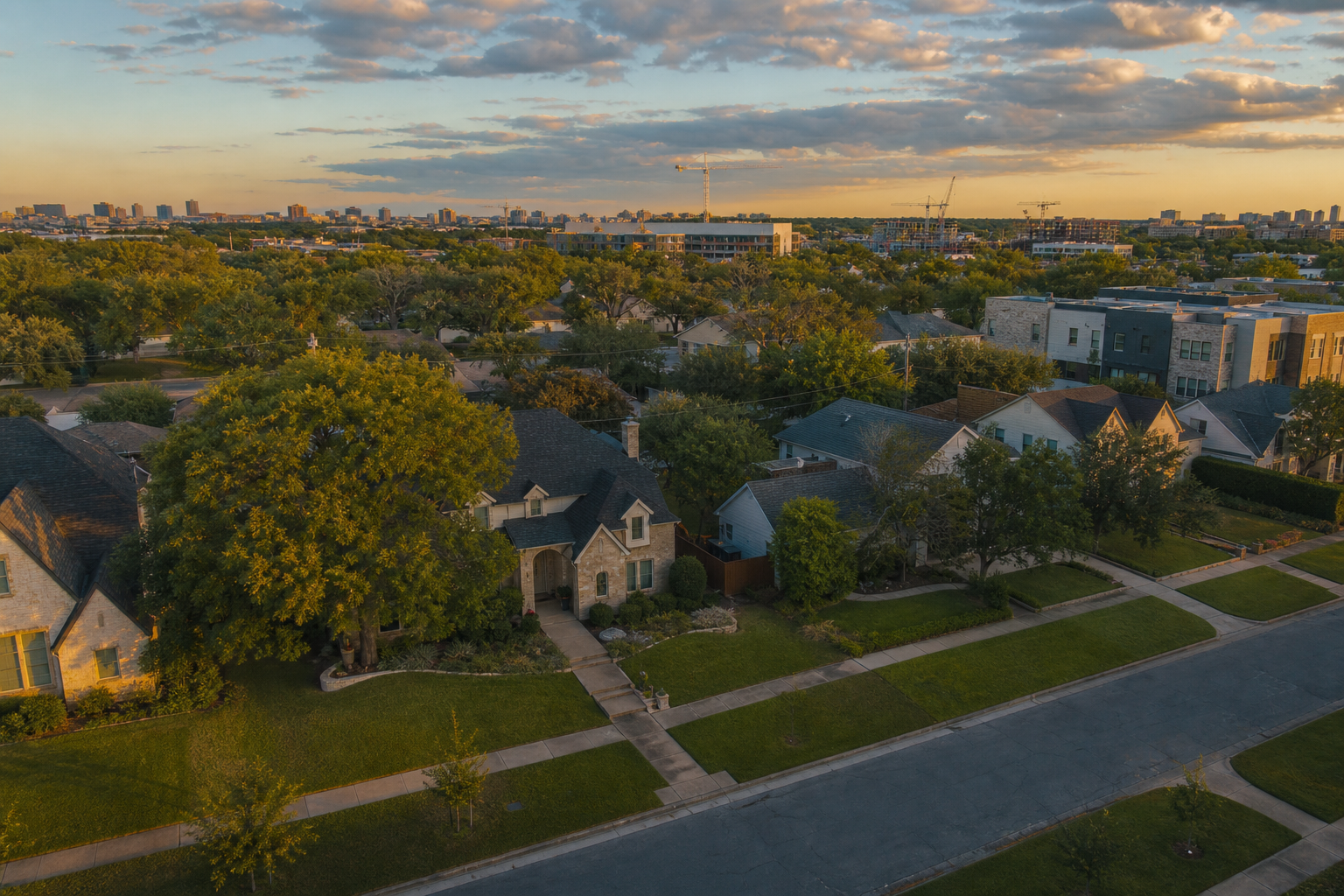
When you buy a home in Dallas, you are not just buying the property itself. You are buying into a neighborhood whose future can change through zoning approvals, development proposals, and land-use decisions made at City Hall, and right now those decisions are actively in flux across the Dallas-Fort Worth Metroplex.
Why Dallas Zoning and Development Decisions Matter Right Now
Dallas is in the middle of a once-in-a-generation rewrite of its entire development code. The overhaul of Chapter 51A of the Dallas Legislative Code means the rules governing what can be built on the lot next door, across the street, or down the block from your future home are actively changing.
At the same time, neighborhoods like Preston Hollow, North Oak Cliff, Vickery Meadow, and North Dallas are at the center of heated debates over development density, mixed-use projects, and up-zoning. What we see across the Dallas-Fort Worth Metroplex is that buyers who understand these dynamics make better decisions, and buyers who ignore them sometimes face surprises they did not anticipate. With 6 years of experience and over 148 closed transactions across DFW, we have watched zoning decisions reshape neighborhoods in real time, and we believe every buyer deserves to understand the process before they commit.
What Dallas Zoning Actually Controls Near Your Future Home
So what exactly is zoning, and why should you care? The City of Dallas defines zoning as the division of land into districts with uniform regulations covering land use, height, setbacks, lot size, density, coverage, and floor area ratio. In plain language, zoning dictates what can and cannot be built on every parcel of land in the city.
Here is what that means for you as a buyer in Dallas:
- Land use: Whether a neighboring parcel can be residential, commercial, industrial, or mixed-use
- Building height and density: How tall structures can be and how many units can occupy a lot
- Setbacks and lot coverage: How close a building can sit to your property line
- Floor area ratio (FAR): How much total building space is permitted relative to lot size
When you purchase a home in an established Dallas neighborhood, you are also buying into whatever the current zoning allows on every surrounding parcel. And here is the part many buyers miss: you are also buying into whatever future zoning changes the Dallas City Council may approve. That is why researching zoning is not optional; it is essential due diligence.
Three Types of Dallas Zoning Changes You Should Know
Not all zoning changes work the same way. Dallas recognizes three distinct types, per the City of Dallas planning department:
- General zoning change: Broadly alters what uses are permitted on a parcel
- Planned Development District (PDD): Creates a customized set of development rules negotiated between the applicant and the city
- Specific Use Permit (SUP): Allows a specific use on a property that would not otherwise be permitted by right
Each type carries a different level of flexibility and community input. When we advise buyers evaluating neighborhoods like Walnut Hill or Melshire Estates, one of the first things we recommend is understanding which type of zoning change is being proposed nearby, because that tells you how much the surrounding area could shift.
How Active Development Cases Are Reshaping Dallas Neighborhoods
This is not theoretical. Active zoning cases moving through the Dallas system in 2026 include applications to rezone property from R-7.5(A) Single Family District to MF-1(A) Multifamily District, conversions from Light Industrial to MU-1 Mixed-Use District, and the creation of new Planned Development Subdistricts, according to City of Dallas zoning records.
Here are specific examples that illustrate the range of change happening right now:
- West Davis Street corridor in Oak Cliff (District 1): A Planned Development Subdistrict application was active in this area, proposing significant changes in the North Oak Cliff market.
- Oak Cliff Gateway Special Purpose District (PD 468): An active zoning case in 2026 involved the removal of a Shop Front Overlay on West 8th Street and Lansing Street. This type of incremental zoning change can alter the retail character of a neighborhood in ways that affect your daily experience as a homeowner.
- Preston Hollow and North Dallas (District 13): Development disputes in this area have included the proposed $800 million Preston-Royal mixed-use development and concerns about up-zoning in Melshire Estates and Walnut Hill.
What does this actually mean for your search? It means that if you are considering a home in any of these areas, the neighborhood could look and feel different in three to five years depending on what gets approved. What we tell our clients is this: research what is proposed, not just what exists today.
How to Research Dallas Zoning and Development Before You Buy
You do not need to be a zoning attorney to do basic development due diligence. Dallas provides several free, publicly accessible tools that every buyer should use:
- Dallas Zoning Application Intake Log: This is publicly searchable by address or case number and tracks active zoning cases citywide, including review status. You can look up any address you are considering before making an offer. It is available through the City of Dallas Department of Planning and Urban Design.
- DallasNow platform: This is the City of Dallas’s system for submitting and tracking current planning applications, including rezoning requests.
- Dallas Development Data portal: This provides public access to licenses, property owner notifications, and zoning intake records, giving you a comprehensive view of development activity near any property.
A Practical Due-Diligence Checklist for Dallas Buyers
Before you make an offer on a home in an established Dallas neighborhood, we recommend these steps:
- Search the Zoning Application Intake Log for the property address and surrounding parcels
- Check the DallasNow platform for any active planning applications within a few blocks
- Review the Dallas Development Data portal for recent property owner notifications in the area
- Attend or review minutes from public hearings, which are part of the approximately 12-week zoning change application process that includes two public hearings, per the City of Dallas
- Ask your agent to distinguish between what is approved, what is under construction, and what is merely proposed
That last point is critical. A proposed project is not a building permit. A zoning approval is not active construction. As a Real Estate Negotiation Expert with recognition from D Magazine as a Best Real Estate Agent since 2020, we walk buyers through these distinctions regularly because understanding the difference can change whether a neighborhood is the right fit for you.
What Up-Zoning and Mixed-Use Development Mean for Dallas Home Buyers
Two terms come up repeatedly in Dallas development conversations, and both deserve clear explanation.
Up-zoning refers to a change in zoning classification that allows more intensive uses or greater density than the current designation permits. For example, rezoning a single-family parcel to allow multifamily or mixed-use development. This is one of the central issues in the development debates across Dallas neighborhoods including Melshire Estates and areas of North Oak Cliff.
Mixed-use development allows a combination of residential, retail, and other uses on the same property. The MU-1 Mixed-Use District designation has appeared in active Dallas zoning cases reviewed in 2026, according to City of Dallas zoning records.
For you as a buyer, the practical effects can go in more than one direction:
- Potential benefits: New retail amenities, increased walkability, more housing options for different life stages, and a more dynamic neighborhood feel
- Potential concerns: Increased traffic, parking pressure, changes to neighborhood scale, construction disruption during the build-out period, and shifts in the overall character of the area
Neither outcome is inherently good or bad. It depends on what you want from your neighborhood and how long you plan to stay. In our experience, the buyers who make the best decisions are the ones who evaluate both sides honestly rather than assuming development is automatically positive or negative.
What we always emphasize is that a changing neighborhood might be exactly right for one buyer and completely wrong for another. Your job is to figure out which side of that line you fall on before you close.
How the Dallas-Fort Worth Market Context Gives You More Time to Do Your Homework
Here is some encouraging news if you are a buyer doing this kind of research: the current market conditions in the Dallas real estate market in 2026 give you more breathing room than buyers have had in recent years.
According to Texas REALTORS data from Q1 2026, statewide active listings rose 7.4% year over year, and homes averaged 80 days on market, which is six days longer than the same period in 2025. Texas carried approximately 5 months of inventory in Q1 2026, up 0.3 months from the prior year. In the Dallas MSA specifically, closed sales were down less than 2% year over year in Q1 2026.
What does that mean for your decision-making process? A market with more inventory and longer marketing times gives you more time to conduct thorough due diligence, including researching zoning, pending development applications, and neighborhood change, before committing to a purchase. More inventory and longer marketing times give you more time to conduct thorough due diligence than the market has allowed in recent years.
This is especially important if you are evaluating areas where significant development proposals are active. You can take the time to attend a public hearing, search the Intake Log, and have a thorough conversation with your agent about what the future might hold for a neighborhood.
Frequently Asked Questions About Dallas Zoning and Home Buying
How do I find out what is being developed near a home I want to buy in Dallas?
You can search the City of Dallas Zoning Application Intake Log by address or case number to see active zoning cases. The DallasNow platform and the Dallas Development Data portal also provide public access to planning applications, licenses, and property owner notifications. We recommend checking all three as part of your pre-offer due diligence.
What does up-zoning mean for homeowners in Preston Hollow or North Dallas?
Up-zoning is a change in zoning classification that allows more intensive uses or greater density than the current designation permits. In areas like Preston Hollow and North Dallas, this could mean parcels currently zoned for single-family use being rezoned for multifamily or mixed-use development. The effect on your experience as a homeowner depends on the specific project and its proximity to your property.
Can zoning changes affect my property’s future value in Dallas?
Zoning changes can influence the surrounding environment, including density, traffic, retail options, and neighborhood character. These factors may affect buyer demand over time. However, the relationship between a specific zoning change and property value depends on many variables, and we would not advise assuming any automatic outcome without evaluating the specifics of each case.
How long does the Dallas zoning change process take?
According to the City of Dallas, a zoning change application takes approximately 12 weeks to complete and includes two public hearings. This gives you a window to track and participate in the process if a change is proposed near a home you own or are considering buying.
What is the difference between a proposed development and an approved one?
A proposed development is a plan that has been submitted but not yet approved. A zoning approval grants permission for certain uses but is not a building permit. Active construction means a project has permits and is physically being built.
Should I buy a home in a Dallas neighborhood undergoing development?
It depends on your personal priorities and timeline. New development can bring amenities, walkability, and housing options. It can also bring traffic, density, and changes to neighborhood character. What we recommend is researching actively, attending public hearings, and being honest with yourself about what kind of neighborhood experience you want over the next five to ten years.
What is the Zoning Ordinance Advisory Committee in Dallas?
As Dallas rewrites its entire development code, ZOAC’s work is particularly relevant to buyers in neighborhoods across the city.
How can I participate in Dallas zoning decisions that affect my neighborhood?
You can attend the two public hearings that are part of every zoning change application. You can also track cases through the Zoning Application Intake Log and the DallasNow platform. Showing up and speaking at public hearings is the most direct way to participate in decisions that may affect your neighborhood.
What is a Planned Development District in Dallas?
A Planned Development District, or PDD, is a zoning designation that allows a customized set of development rules negotiated between the applicant and the city. It offers more flexibility than standard zoning but also involves a negotiation process. The West Davis Street corridor in Oak Cliff has been the subject of PDD applications, per City Plan Commission records.
Do first-time buyers in Dallas need to worry about zoning?
Absolutely. First-time buyers and relocating buyers are often unfamiliar with local zoning processes and may not realize that public records on pending development applications are freely accessible. If you are buying your first home in the Dallas-Fort Worth Metroplex, understanding what is proposed near your potential property is one of the most important research steps you can take.
The Bottom Line on Dallas Zoning, Development, and Your Home Purchase
When you buy a home in Dallas, you are making a bet on the future of a neighborhood, not just the four walls you are purchasing today. With Dallas actively rewriting its development code and significant zoning cases moving through neighborhoods from North Oak Cliff to Preston Hollow to Vickery Meadow, understanding these Dallas real estate trends is not optional. It is part of being an informed buyer.
The good news is that the tools to research development activity are publicly available, the current market is giving you more time to do your homework, and you do not have to navigate this alone. With 84 five-star reviews and recognition as a D Magazine Best Real Estate Agent and MetroTex 40 Under 40 honoree, we at Unlocking DFW Realty help buyers across the Dallas-Fort Worth Metroplex evaluate not just the home in front of them, but the neighborhood around it. If you are buying in Dallas and want a team that understands how zoning and development shape your investment, reach out to us at 2145098094 or visit Unlocking DFW Realty. We are here to help you make a confident, informed decision.

Leave a Reply