


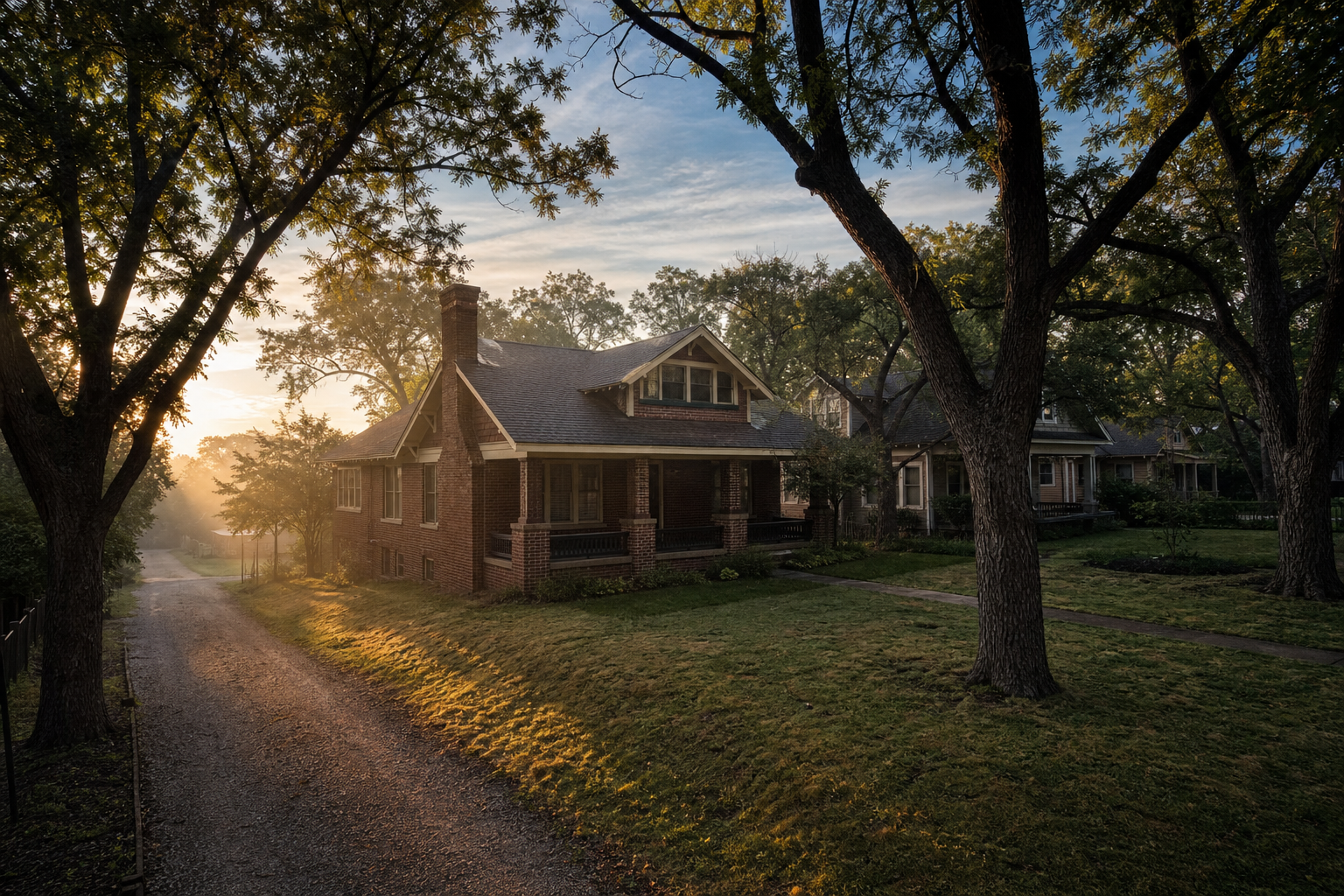
What should you look for when buying an older home in East Dallas?
Look beyond the charm. In Lakewood Heights and surrounding East Dallas neighborhoods, older homes offer incredible character, but you need to evaluate the foundation, major systems, renovation quality, and lot restrictions before you fall in love with a Craftsman bungalow or brick Tudor.
Why Buying an Older Home in East Dallas Matters Right Now
You are shopping in a market that is finally giving you room to breathe. According to the Texas REALTORS, homes across the state averaged 80 days on market in Q1 2026, six days longer than the same period the year before. Statewide active listings rose 7.4% compared to Q1 of the prior year, per the same report. That extra time and inventory means you can be deliberate when evaluating an older home in Lakewood Heights or anywhere in East Dallas.
But here is the thing: more time on the market does not mean less homework. Older homes carry risks that newer construction simply does not, and those risks can cost you tens of thousands of dollars if you miss them during the buying process. With 6 years in the Dallas-Fort Worth market and over 148 closed transactions, we have seen what happens when buyers skip critical steps. So let us walk through exactly what you should evaluate before writing an offer.
Understanding Lakewood Heights Home Styles and Their Hidden Realities
One of the things we love about established neighborhoods is the character you can find in the homes. From Craftsman bungalows to brick Tudors and renovated properties, older neighborhoods like Lakewood Heights offer something genuinely different from newer developments. This East Dallas neighborhood, generally bounded by Gaston Avenue, Abrams Road, and Garland Road, is known for exactly those architectural styles, along with mid-century ranch homes.
But when buying an older home, we always encourage buyers to look beyond the charm.
A beautiful exterior or updated kitchen does not necessarily tell you everything about the property’s condition. What does “renovated” actually mean in the listing you are viewing? A renovated kitchen does not equal a new roof. Updated light fixtures do not mean the electrical panel has been replaced. Fresh paint can mask moisture damage that has been building for years.
What “Updated” Really Means in an East Dallas Listing
When you see “updated” or “renovated” in a listing description, ask yourself these questions:
- Who did the work? Was it a licensed contractor or a weekend DIY project?
- When was it done? A renovation from 2010 is now over 15 years old.
- Were permits pulled? You can check with the City of Dallas Development Services Department.
- What was left untouched? A kitchen remodel that did not address galvanized plumbing behind the walls is a ticking clock.
The mistake we watch buyers make here is assuming that cosmetic updates signal structural soundness. They often do not. In many of the older Lakewood Heights homes, the parts you cannot see are the ones that matter most.
Foundation, Plumbing, and Electrical: The Big Three in East Dallas Older Homes
If you are considering any home built more than 40 or 50 years ago in East Dallas, these three systems should dominate your due diligence.
Foundation Concerns on North Texas Clay Soil
Dallas-area soils are predominantly expansive clay, sometimes called “black gum” locally, which shrinks and swells with moisture changes. That constant movement places chronic stress on foundations, whether pier-and-beam or slab, and both types appear throughout Lakewood Heights.
Our advice: request a foundation evaluation from a licensed structural engineer, not just a foundation repair company. An engineer gives you an independent assessment without the conflict of interest that comes from someone who also sells the repair. Ask about any existing transferable warranties, too.
Plumbing That May Be Past Its Prime
Homes built before the 1970s in East Dallas may still have galvanized steel pipes, which corrode from the inside over time and restrict water flow. If a home has original plumbing, budget for the possibility of a full re-pipe. A sewer scope inspection is also critical in older neighborhoods. Tree roots from those beautiful mature trees can infiltrate clay sewer lines, and a camera inspection is the only way to know for sure.
Electrical Panels and Wiring
Homes built before 1978 may contain knob-and-tube wiring or outdated electrical panels. Beyond the safety concerns, these issues can affect your insurance eligibility and premiums. Some carriers in Texas may charge higher premiums or decline coverage on a home with outdated electrical panels or ungrounded wiring without remediation.
How East Dallas Market Conditions Help You Negotiate Repairs
Here is where the 2026 market works in your favor. You have more leverage today than buyers have had in years.
In the 2026 Texas Homebuyers and Sellers Report, covering the period through mid-2025, 37% of Texas sellers sold their home as-is. That is a significant share, and in Lakewood Heights, you may encounter as-is listings on older homes where the seller simply does not want to manage repairs.
What does “as-is” actually mean for you? It does not waive your right to inspect. It simply signals that the seller will not make repairs. You can still get your inspections done, and you can still walk away if the findings are too concerning. But it also means you should be prepared to budget for post-closing work and factor that into your offer price.
So what does this look like in practice? According to that same report, In a recent Texas Homebuyers and Sellers Report period, 74% of Texas sellers reduced their asking price two or more times before a sale — a trend that, if it has continued, means your inspection findings may carry real weight at the negotiating table. When you know a home needs a new HVAC system or foundation work, that knowledge gives you a factual basis to discuss price adjustments — though any outcome depends on the specific seller and property.
Financing Considerations for Older East Dallas Homes
Cash sales reached a record high of roughly 30% of Texas home transactions in the 2026 report period. If you are financing your purchase, know that your loan type matters:
- FHA and VA loans have minimum property standards. If the home has deferred maintenance, the appraiser may require repairs before closing, which can complicate offers on as-is listings.
- Conventional financing is generally more flexible on property condition.
- Talk to your lender early about any property condition concerns so you are not surprised mid-transaction.
As a certified Real Estate Negotiation Expert (RENE), we can tell you that understanding these financing nuances makes a real difference in how competitive your offer looks to a seller.
Lot, Zoning, and Outdoor Potential in Lakewood Heights
We also think buyers should pay serious attention to the lot itself. In Lakewood Heights, you will often find mature trees, alley access, and sometimes irregular lot dimensions. That can offer great possibilities for outdoor living, gardening, or future improvements. But things like drainage patterns, easements, setbacks, and local deed restrictions can affect what you are actually allowed to do.
Before you assume that large backyard allows an addition, an accessory dwelling unit, or a pool, verify with the City of Dallas Development Services Department. We have seen buyers fall in love with the potential of a lot only to learn that setback requirements or easement locations significantly limit what they can build.
The Neighborhood Beyond Your Property Line
Lakewood Heights’ proximity to White Rock Lake Park and the Santa Fe Trail system is a significant draw for buyers who value outdoor recreation. And of course, the neighborhood matters just as much as the home itself. Access to parks, trails, shopping, and dining can make everyday life more convenient, but you should explore the area in person and see how it fits your daily routines, your commute, and your lifestyle.
Are you relocating to Dallas? Then spending a full day in the neighborhood, at different times, gives you a feel for traffic patterns, noise levels, and the overall vibe that no online search can replicate. With 84 five-star reviews from past clients, many of whom were relocation buyers, our team has guided countless people through this exact process of getting to know East Dallas from the ground up.
Inspections and Due Diligence for Older East Dallas Homes
The inspection is arguably the most important step in your entire purchase. On an older home, a general home inspection should be your starting point, not your finish line.
Specialist Inspections You Should Consider
- Foundation evaluation by a licensed structural engineer
- Sewer scope to check for root intrusion and line deterioration
- Electrical inspection for outdated wiring, panel issues, and grounding
- Roof inspection by a roofing contractor, especially on homes with original or aging roofing materials
- HVAC assessment if the system is more than 15 years old
- Lead-based paint testing for any home built before 1978
We always encourage buyers to think of these inspections as an investment, not an expense. The findings either confirm that you are making a sound decision or they give you the information you need to renegotiate or walk away with confidence. Having closed over 148 transactions, we have seen inspection results reshape deals in ways that saved buyers thousands of dollars.
Reviewing Maintenance History and Permits
Ask the seller or listing agent for any available maintenance records: when was the roof last replaced, when was the HVAC serviced, has the foundation ever been repaired? If the home has had renovations, check the City of Dallas permit records to confirm work was done properly and to code.
Frequently Asked Questions About Buying an Older Home in East Dallas
Should I get a foundation inspection on every older home in Lakewood Heights?
Yes. The expansive clay soils throughout East Dallas place chronic stress on foundations. Whether the home has a pier-and-beam or slab foundation, a licensed structural engineer’s evaluation is worth the cost. This is separate from a general home inspection and gives you an independent assessment of the home’s structural integrity. Do not rely solely on a foundation repair company’s opinion, as they also sell the repair.
What does “as-is” mean when I see it on an East Dallas listing?
An as-is listing means the seller is signaling they will not make repairs. However, according to Texas real estate practice, it does not waive your right to inspect the property. You can still conduct all inspections, and you can still negotiate on price based on your findings. The key is budgeting for post-closing repairs and factoring those costs into your offer.
Are older homes in Lakewood Heights more expensive to insure?
They can be. Insurance carriers in Texas may charge higher premiums or decline coverage on homes with outdated electrical panels, ungrounded wiring, or certain roofing materials. Before you make an offer, contact your insurance agent for a preliminary quote based on the home’s age, construction type, and condition. This prevents surprises at closing.
How do I know if the plumbing in an older East Dallas home needs replacing?
Galvanized steel pipes, common in homes built before the 1970s, corrode from the inside and reduce water flow over time. Signs include low water pressure, discolored water, and visible corrosion at joints. A plumbing inspection and a sewer scope can reveal the full picture. If the home still has original galvanized pipes, factor in the cost of a re-pipe.
Can I add an addition or ADU to an older home in Lakewood Heights?
Possibly, but you need to verify first. Lakewood Heights lots often feature irregular dimensions, alley access, and existing easements that affect buildable area. Setback requirements, deed restrictions, and city zoning rules all play a role. Check with the City of Dallas Development Services Department before assuming any construction is permitted.
What should I look for in a home built before 1978 in East Dallas?
Homes built before 1978 may contain lead-based paint, which poses health risks, especially for families with young children. Federal law generally requires sellers to disclose known lead-based paint hazards in homes built before 1978; your agent or a real estate attorney can confirm the specific disclosure requirements that apply to your transaction. You have the right to conduct lead testing during your inspection period. Also watch for knob-and-tube wiring and asbestos-containing materials.
How does the 2026 Texas market affect my negotiating power on an older home?
The market is currently more balanced. According to Q1 2026 data from the Texas REALTORS, statewide inventory reached approximately 5 months, which analysts at the Texas Real Estate Research Center note generally indicates a balanced market. Homes are averaging 80 days on market, giving you time to conduct thorough inspections and negotiate based on your findings.
Should I hire my own inspector or use the seller’s inspection report?
Always hire your own inspector. A seller’s pre-listing inspection can be helpful as supplemental information, but your inspector works for you and is accountable to you. On an older home especially, you want someone who will look at every system with fresh, unbiased eyes. Supplement the general inspection with specialists for foundation, electrical, and sewer as needed.
Is buying an older home in East Dallas a good investment compared to new construction?
It depends on your priorities and risk tolerance. Older homes in neighborhoods like Lakewood Heights offer established lots, mature landscaping, architectural character, and proximity to parks like White Rock Lake. New construction typically comes with builder warranties and modern systems. The key is understanding the true condition of the older home so you can compare the total cost of ownership, not just the purchase price.
How important is the lot when buying an older home in Lakewood Heights?
Very important. The lot often outlasts multiple renovations and even the structure itself. In Lakewood Heights, pay attention to drainage patterns, tree canopy health, lot dimensions, and whether alley access supports future garage or ADU plans. The lot’s characteristics will affect your property’s value, your insurance, and your lifestyle for as long as you own the home.
The Bottom Line on Buying an Older Home in East Dallas
Our advice is simple: do not choose a home based on charm alone. Look at its condition, potential, location, and the lifestyle it can offer. The right home should work for you both today and in the years ahead.
Lakewood Heights and East Dallas deliver a quality of life and architectural character that is genuinely hard to find elsewhere in the Dallas-Fort Worth metroplex. But these homes reward buyers who do their homework, hire the right inspectors, and understand what they are really buying beneath the surface.
As a D Magazine Best Real Estate Agent since 2020 and a MetroTex 40 Under 40 honoree, we bring deep East Dallas expertise to every transaction. If you are exploring older homes in Lakewood Heights or anywhere in East Dallas, reach out to us at Unlocking DFW Realty. You can call or text at 214-509-8094 or visit our office near Henderson Avenue. We will help you find a home that delivers on its promise, both the charm you see and the quality you deserve underneath.

Leave a Reply