

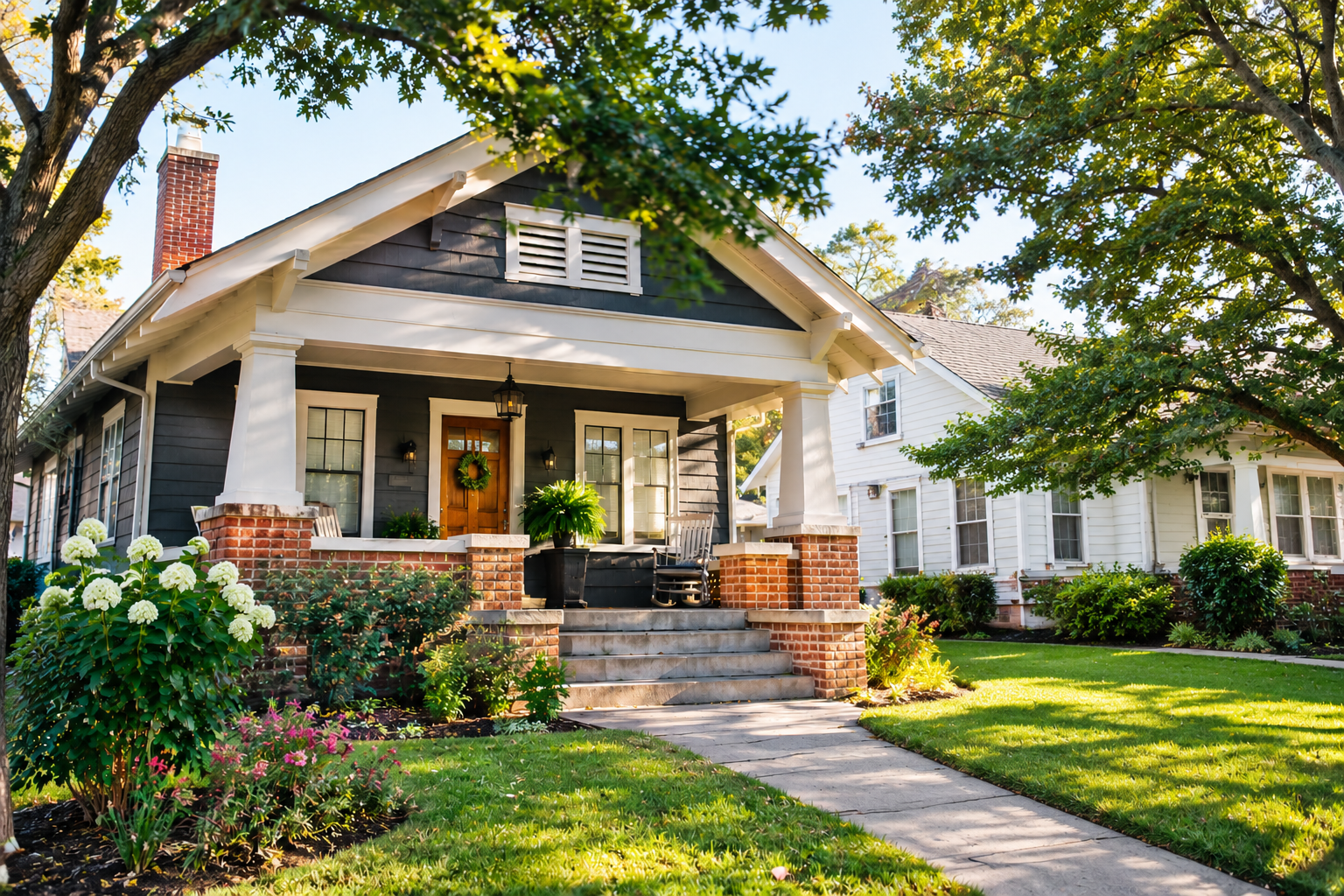
Selling an older home in East Dallas can be rewarding, especially if your property has original hardwood floors, historic architectural details, mature landscaping, or a desirable location near Lakewood, the M Streets, or White Rock Lake.
But older homes can also come with questions that buyers of newer properties may not face.
Is the foundation in good condition? Are the plumbing and electrical systems updated? How old is the roof? Are there signs of previous water intrusion? Will the buyer’s inspection uncover expensive repairs?
If you’re preparing to sell, you may be wondering whether you should fix everything before listing or leave certain improvements for the next homeowner.
The answer is usually somewhere in between.
You don’t necessarily need a complete renovation to sell an older East Dallas home. However, addressing important maintenance concerns, documenting previous repairs, and understanding your property’s condition can help you avoid unnecessary surprises during negotiations.
At Unlocking DFW Realty Team, we help Dallas homeowners evaluate their properties, prioritize pre-listing improvements, and develop preparation strategies that make financial sense.
Here’s what to repair, what to inspect, and what you may want to leave alone before selling.
1. Start With a Pre-Listing Inspection Before Spending Money
One of the biggest mistakes sellers make is beginning expensive renovations before understanding what their home actually needs.
A pre-listing inspection can help identify potential problems before your property goes on the market.
For an older East Dallas home, consider having a qualified home inspector evaluate:
- Foundation and visible structural conditions.
- Roof condition and signs of water intrusion.
- Plumbing fixtures and accessible piping.
- Electrical panels, outlets, and visible wiring.
- Heating and air conditioning systems.
- Water heaters.
- Windows and exterior doors.
- Attic ventilation and insulation.
- Drainage around the property.
- Visible signs of moisture or wood damage.
A general home inspection provides a useful overview, but it does not replace specialized evaluations.
Depending on the property, you may also need a structural engineer, licensed plumber, electrician, roofing contractor, or sewer-scope specialist.
Should You Pay for a Pre-Listing Inspection?
It can be worthwhile, particularly when your home has older systems or a long maintenance history.
The inspection gives you an opportunity to understand potential concerns and decide which items deserve attention before buyers begin scheduling their own inspections.
It also helps you avoid spending money on cosmetic improvements while overlooking a more important maintenance issue.
Remember that an inspection is not a guarantee that every defect will be discovered. Hidden conditions may require additional investigation.
2. Evaluate the Foundation and Drainage
Foundation concerns are among the most important issues to investigate when preparing an older East Dallas property for sale.
North Texas soils can experience significant moisture-related movement. Changes in soil moisture, drainage problems, and other site conditions can contribute to foundation movement.
However, not every crack indicates a structural problem.
What Should You Look For?
During your initial walkthrough, pay attention to:
- New or widening cracks in walls or ceilings.
- Doors or windows that suddenly become difficult to operate.
- Uneven or sloping floors.
- Gaps around exterior doors and windows.
- Visible separation between walls and ceilings.
- Water collecting near the foundation.
- Downspouts discharging too close to the home.
These signs deserve attention, but they do not independently establish that foundation repairs are necessary.
Should You Repair the Foundation Before Selling?
Not automatically.
If you notice concerning movement or have a history of foundation repairs, consider obtaining an independent evaluation from a qualified structural engineer.
If repairs are recommended, request written proposals and understand the scope of work before authorizing anything.
If previous foundation work has been completed, collect:
- Original repair invoices.
- Engineering reports.
- Repair diagrams.
- Transferable warranties, if applicable.
- Follow-up inspection reports.
- Documentation of drainage improvements.
Having these records available can help answer buyer questions.
Our recommendation: Investigate structural concerns early. Don’t commission expensive foundation work based solely on a visual observation or an unsolicited repair estimate.
3. Inspect Older Plumbing and Sewer Lines
Plumbing can be one of the more expensive unknowns in an older home.
Some East Dallas properties have plumbing systems that have been updated in stages over several decades. One section may be relatively new while another remains original.
Potential concerns include:
- Aging galvanized water supply pipes.
- Cast-iron drain lines.
- Leaking supply connections.
- Corrosion.
- Slow drains.
- Recurring sewer backups.
- Deteriorating drain connections.
- Previous water damage.
Should You Get a Sewer Scope?
For an older property, a sewer-camera inspection may be worth considering.
A sewer scope allows a qualified plumbing professional to examine accessible portions of the sewer line and look for issues such as root intrusion, cracks, blockages, or deterioration.
This can be especially useful when mature trees are located near underground sewer lines.
If a problem is discovered, ask the plumber to explain whether cleaning, localized repair, or more extensive replacement is appropriate.
Don’t assume that an entire sewer line needs replacement simply because the home is older.
What About Replacing Old Plumbing Before Listing?
That depends on the system’s actual condition.
If your plumbing works properly and there are no indications of a significant defect, a full replacement may not be financially justified.
If you have recurring leaks, poor water pressure, corrosion, or documented sewer problems, addressing those concerns before listing may reduce uncertainty during buyer negotiations.
Keep invoices and contractor documentation for all completed work.
4. Review Electrical Systems and Safety Concerns
Electrical updates can be important when preparing older East Dallas homes.
Buyers may pay close attention to electrical panels, wiring, grounding, and the overall condition of the system.
Consider having a licensed electrician evaluate the property if you notice:
- Frequently tripping breakers.
- Flickering lights.
- Warm outlets or switches.
- Damaged electrical components.
- Exposed or deteriorating wiring.
- Missing outlet covers.
- Evidence of amateur electrical modifications.
- Older wiring that may require additional evaluation.
Some older properties may contain electrical systems that require specialized attention.
The appropriate repair depends on the actual installation and its condition.
For example, an older electrical panel does not automatically mean the entire electrical system needs replacement.
A licensed electrician can determine whether repairs, targeted upgrades, or more extensive work are appropriate.
Should You Replace the Electrical Panel Before Selling?
Not simply because it is old.
Ask an electrician to evaluate its condition, safety, capacity, and compliance with applicable requirements.
If an upgrade is recommended, obtain a written estimate and retain applicable permits and invoices.
For sellers, documented professional work is generally more useful than making assumptions about what buyers will expect.
5. Check the Roof, Gutters, and Exterior
The roof is another major component buyers may investigate during an inspection.
Even if your roof isn’t leaking, visible deterioration can create questions about future maintenance expenses.
Before listing, examine:
- Missing or damaged shingles.
- Signs of roof deterioration.
- Flashing around chimneys and roof penetrations.
- Damaged soffits and fascia.
- Gutter condition.
- Downspout connections.
- Visible water stains in attic areas.
- Evidence of previous roof leaks.
If you have replaced the roof, gather the invoice, warranty information, and any available inspection records.
Do You Need a New Roof Before Selling?
Not necessarily.
A roof that has several useful years remaining may only need minor maintenance.
However, if there are active leaks, damaged materials, or documented problems, you should understand the repair options before listing.
A roofing contractor can provide an assessment and estimate.
You can then compare the cost of addressing the issue with the possibility of negotiating a repair credit or adjusting your asking price.
6. Service the HVAC System
Heating and air conditioning are important selling considerations in Dallas.
A functioning HVAC system helps buyers feel confident about the home’s comfort and ongoing maintenance.
Before listing, consider:
- Scheduling professional HVAC maintenance.
- Replacing dirty air filters.
- Checking thermostat operation.
- Inspecting accessible condensate drain lines.
- Checking for unusual noises.
- Confirming that heating and cooling functions operate properly.
- Gathering available maintenance and replacement records.
If the system is older, ask a licensed HVAC professional to evaluate its condition.
Should You Replace an Older HVAC System?
Age alone doesn’t determine whether replacement is necessary.
A properly maintained system may continue operating effectively beyond its expected average service life, while a newer system may already have problems.
Compare the estimated repair cost, expected remaining service life, efficiency, and replacement cost before deciding.
If the system is functioning but older, you may be better served by providing maintenance records and allowing buyers to evaluate it.
7. Address Water Intrusion, Moisture, and Wood Damage
Water-related concerns should be investigated before cosmetic repairs begin.
Older homes may have experienced previous roof leaks, plumbing failures, drainage problems, or moisture intrusion around windows and exterior walls.
Look for:
- Water stains on ceilings.
- Discoloration around windows.
- Peeling paint.
- Soft or deteriorating wood.
- Musty odors.
- Previous ceiling or drywall patches.
- Moisture around plumbing fixtures.
- Standing water near the home.
If you find a potential moisture problem, determine its source before repainting or replacing damaged materials.
Covering a stain without addressing the underlying issue can create additional problems later.
If mold or extensive moisture damage is suspected, consult an appropriately qualified professional.
Buyers may ask about previous water intrusion and repairs, so retain documentation of the work performed.
8. Don’t Overlook Lead-Based Paint in Older Homes
Many East Dallas homes were built before 1978.
If your property falls into this category, lead-based paint is an important consideration when planning renovation work and preparing disclosures.
The federal government banned consumer use of lead-based paint in residential properties in 1978.
The Environmental Protection Agency explains that disturbing lead-based paint during renovation, repair, or painting can create hazardous dust.
If your project involves sanding, replacing windows, scraping paint, or disturbing older painted surfaces, use appropriately qualified lead-safe contractors.
For covered properties, federal lead-based paint disclosure requirements also apply to many residential sales.
Before beginning renovation work, review the EPA’s guidance and determine whether your contractor must follow the Renovation, Repair and Painting Rule.
You can find more information through the EPA’s Lead Renovation, Repair and Painting Program.
Important: Don’t assume that peeling paint on an older home is simply a cosmetic issue. Determine whether lead-safe work practices are necessary before disturbing the surface.
9. Make Cosmetic Repairs That Improve Presentation
After investigating important maintenance and safety issues, focus on improvements that make your home feel clean and well maintained.
These are often less expensive than major renovations and can improve the first impression buyers get from photographs and showings.
Consider:
Fresh Interior Paint
Touch up walls with visible scuffs, stains, or inconsistent finishes.
Neutral colors can help rooms feel brighter and make it easier for buyers to imagine their own furnishings.
You don’t necessarily need to repaint every room.
Repair Damaged Flooring
Older East Dallas homes often have original hardwood floors that contribute to their architectural character.
If the floors are in good condition, professional cleaning may be sufficient.
If they have significant scratches or worn finishes, refinishing may be worth considering.
Avoid automatically replacing original hardwood with less distinctive materials.
Update Lighting and Fixtures
Consider replacing broken fixtures, outdated bulbs, and damaged switches.
Improved lighting can make rooms photograph better and feel more inviting.
Keep architectural style in mind when selecting replacement fixtures for older homes.
Repair Doors, Windows, and Hardware
Make sure doors open and close properly.
Replace damaged handles, repair loose hinges, and address minor weatherstripping issues.
If windows are difficult to operate, determine whether the issue involves hardware, alignment, or a more significant repair.
Improve Curb Appeal
The exterior is often the first thing potential buyers see.
Simple improvements include:
- Trimming overgrown landscaping.
- Cleaning walkways and porches.
- Removing dead plants.
- Refreshing mulch.
- Cleaning exterior windows.
- Touching up appropriate exterior paint.
- Repairing damaged fence sections.
- Making the front entrance inviting.
For an older East Dallas home, preserving architectural character is just as important as creating a clean presentation.
10. How Much Should You Budget for Pre-Listing Repairs?
There is no universal repair budget for older East Dallas homes.
A property with a recently replaced roof, updated electrical system, and maintained plumbing may require very little preparation.
Another property of the same age may need substantial mechanical or structural work.
Instead of choosing an arbitrary renovation budget, organize your expenses by priority.
Suggested Repair Budget Categories
| Priority | Typical projects | Recommended approach |
|---|---|---|
| 1. Safety | Electrical hazards, active leaks, unsafe conditions | Investigate and address promptly |
| 2. Structural | Foundation concerns, significant drainage issues | Obtain qualified professional evaluation |
| 3. Major systems | Roof, plumbing, sewer, HVAC | Compare repair and replacement estimates |
| 4. Functional | Doors, windows, fixtures, minor plumbing | Repair items that affect everyday operation |
| 5. Cosmetic | Paint, flooring, lighting, landscaping | Focus on visible improvements |
| 6. Optional upgrades | Full kitchen remodel, bathroom overhaul | Evaluate against comparable homes and likely buyer demand |
How to Estimate Repair Costs Without Overspending
Before approving a major project:
- Obtain at least two or three written estimates for significant work.
- Ask contractors to identify the actual problem.
- Request separate pricing for necessary repairs and optional improvements.
- Verify licensing and insurance where applicable.
- Ask about permits and inspections.
- Compare the cost with the likely benefit to your sale.
- Keep all invoices, warranties, and reports.
For example, a seller might receive three different recommendations for an aging sewer line:
- Clean the line and monitor its condition.
- Repair a localized damaged section.
- Replace a larger portion of the line.
Those are very different financial decisions.
The correct choice depends on the inspection findings, not simply the home’s age.
Should You Spend $20,000 or More Before Listing?
Only if the work is justified.
A $20,000 renovation does not automatically add $20,000 to your home’s market value.
Before investing in a major project, compare similar properties that have sold in your immediate neighborhood.
Look at their condition, updates, selling prices, and marketing timelines.
Sometimes a smaller repair budget combined with competitive pricing is a better strategy than a major renovation.
Your goal is to prepare the property for the market, not to create a completely different home.
11. Check Historic and Conservation District Requirements Before Exterior Work
Some older East Dallas homes are located in designated historic districts or conservation districts.
These designations can affect what exterior changes are permitted.
For example, the City of Dallas requires a Certificate of Appropriateness before exterior work begins on properties located within designated Landmark Districts or individually designated Dallas Landmarks.
Depending on the property’s designation and proposed project, approval may involve city staff or the Landmark Commission.
Before replacing windows, changing exterior materials, modifying architectural features, or undertaking substantial exterior improvements, verify the property’s status and applicable requirements.
The M Streets Conservation District has its own design guidelines, which should also be reviewed before making exterior changes.
Not every older East Dallas property is subject to the same restrictions.
You can review the City of Dallas Historic Preservation and Landmark Review Process before starting a project.
Planning ahead can prevent delays, unnecessary expenses, and work that may not comply with applicable requirements.
12. Prepare Your Texas Seller Disclosures and Repair Records
Repairing your home is only part of the preparation process.
You should also organize the documentation that helps explain the property’s condition.
For many previously occupied single-family residences, Texas law requires a Seller’s Disclosure Notice addressing the seller’s knowledge of the property’s condition and applicable material facts.
The Texas Real Estate Commission’s Seller’s Disclosure Notice, Form 55-1, became effective May 28, 2026.
Before listing, gather available information about:
- Foundation repairs.
- Roof replacements.
- Plumbing updates.
- Electrical improvements.
- HVAC replacements.
- Previous water intrusion.
- Pest treatment.
- Insurance claims.
- Permits for applicable improvements.
- Contractor invoices and warranties.
Complete disclosures accurately and answer questions based on your actual knowledge.
If new information about a material condition becomes known, seek appropriate guidance about your disclosure obligations.
A home inspection does not replace your disclosure responsibilities.
You can review the current form through the Texas Real Estate Commission.
13. What Should You Fix Before Listing and What Should You Leave Alone?
Not every repair needs to be completed before your home goes on the market.
Some improvements are worth addressing because they affect safety, property condition, or buyer confidence.
Other improvements may be better left to the next homeowner.
Here is a practical comparison.
| Repair or improvement | Recommendation |
|---|---|
| Active roof leak | Investigate and address |
| Significant drainage problem | Obtain professional evaluation |
| Suspected structural damage | Obtain qualified evaluation |
| Electrical safety concern | Have a licensed electrician assess |
| Active plumbing leak | Repair |
| Sewer line concern | Consider a sewer scope |
| Dirty air filters | Replace |
| Broken door hardware | Repair |
| Peeling interior paint | Address, considering lead-safe requirements |
| Scuffed walls | Touch up where worthwhile |
| Original hardwood floors | Preserve and maintain |
| Dated kitchen cabinets | Consider a targeted refresh |
| Full kitchen remodel | Usually evaluate carefully before committing |
| Outdated bathroom | Focus on condition and functionality |
| Original historic windows | Evaluate condition and applicable restrictions before replacing |
The best repair plan is one that balances cost, property condition, buyer expectations, and your desired selling timeline.
14. How Current Dallas Market Conditions Affect Your Repair Strategy
Repair decisions should reflect the market you are entering.
According to the October 2026 DFW market report published by Jim Boykin Real Estate on November 9, 2026, the eight-county single-family detached market recorded:
- 27,946 active listings.
- A median closed sales price of $384,990.
- 5,300 closed sales.
- 60.9% of homes that closed had experienced a price reduction.
- A median of $9,000 in seller concessions among transactions where concessions were paid, as reported in the market recap.
Dallas County recorded 4.9 months of inventory in October.
These figures suggest that sellers should pay close attention to pricing, condition, and competing properties.
However, metro-wide and county-wide numbers are not direct predictions for an individual East Dallas neighborhood.
A well-maintained historic home in Lakewood may compete against a different group of properties than a home in Casa Linda or the M Streets.
That’s why we recommend combining current market information with neighborhood-level comparable sales and an honest evaluation of your home’s condition.
The goal is to avoid spending money on upgrades that buyers may not value while overlooking issues that could affect their willingness to make an offer.
15. Your Pre-Listing Repair Checklist for an Older East Dallas Home
Before putting your property on the market, work through the following checklist.
Inspection and evaluation
- Schedule a general pre-listing inspection if appropriate.
- Investigate visible foundation concerns.
- Review drainage around the property.
- Evaluate the roof and attic.
- Consider a sewer-camera inspection.
- Review electrical and plumbing systems.
- Schedule HVAC maintenance.
Important repairs
- Address active leaks.
- Investigate significant structural concerns.
- Repair known electrical hazards.
- Correct significant drainage problems.
- Address damaged plumbing.
- Repair damaged roofing where necessary.
Cosmetic improvements
- Deep clean the home.
- Touch up paint where appropriate.
- Clean or refinish hardwood floors.
- Repair damaged fixtures.
- Improve lighting.
- Refresh landscaping.
- Declutter and organize living spaces.
Documentation
- Gather repair invoices.
- Locate warranties.
- Collect permits and inspection reports.
- Organize foundation and roof documentation.
- Prepare the applicable Seller’s Disclosure Notice.
- Review historic-district requirements where applicable.
Marketing preparation
- Request a comparative market analysis.
- Establish a realistic preparation budget.
- Determine which repairs should be completed before listing.
- Schedule professional photography.
- Develop a pricing and marketing strategy.
Ready to Sell Your Older East Dallas Home?
Preparing an older home for sale doesn’t mean you need to modernize every room, replace every system, or spend thousands of dollars on unnecessary renovations.
It means understanding what your property needs, identifying the repairs that matter, and making informed decisions before buyers begin evaluating your home.
The Unlocking DFW Realty Team helps East Dallas homeowners prepare their properties for the market with practical advice, neighborhood-specific pricing guidance, and a thoughtful selling strategy.
Jamie Simpson and Tiya Nguyen can help you:
- Evaluate your home’s current market position.
- Identify repairs worth addressing before listing.
- Determine which improvements may not be necessary.
- Coordinate your pre-listing preparation.
- Understand your estimated net proceeds.
- Develop a marketing strategy for your property.
Request a seller preparation consultation with the Unlocking DFW Realty Team.
Call (214) 509-8094 or visit Unlocking DFW Realty Team to get started.
Your home has a story. Let’s prepare it for the next chapter without spending more than necessary.
Frequently Asked Questions
Should I get a home inspection before selling an older East Dallas home?
A pre-listing inspection can help identify potential concerns before buyers conduct their own inspections. It may be particularly useful for older homes with aging plumbing, electrical systems, roofing, or previous foundation work. Specialized inspections may also be appropriate.
What are the most important repairs to make before selling an older home?
Prioritize active leaks, significant drainage issues, structural concerns, electrical safety problems, and major plumbing or roofing defects. After addressing important issues, focus on cosmetic improvements such as paint, lighting, landscaping, and cleaning.
How much does it cost to repair an older home in Dallas?
Repair costs depend on the home’s condition, materials, contractor availability, accessibility, and scope of work. A cosmetic repair may require a modest investment, while foundation, sewer, roofing, or electrical work can involve substantially higher expenses. Obtain written estimates before establishing your budget.
Should I repair my foundation before selling my East Dallas home?
Not automatically. If you notice signs of foundation movement, consider an independent evaluation by a qualified structural engineer. Follow the professional recommendations and retain reports and repair documentation.
Should I replace old plumbing before listing my home?
It depends on the condition of the existing system. Active leaks, recurring backups, and documented deterioration deserve attention. If the plumbing is functioning properly, a complete replacement may not be necessary.
Is a pre-listing sewer inspection worth the money?
For some older East Dallas properties, a sewer-camera inspection can help identify root intrusion, blockages, cracks, and deterioration before listing. It can provide useful information when deciding whether maintenance or repairs are appropriate.
Should I renovate my kitchen before selling an older East Dallas home?
A complete kitchen renovation is not always necessary. Targeted improvements such as cabinet hardware, lighting, paint, and minor fixture updates may improve presentation without requiring a major investment. Compare the project cost with similar homes in your neighborhood.
Do historic East Dallas homes require permission for exterior repairs?
Some properties do. Homes located in designated Dallas Landmark districts or individually designated landmarks may require a Certificate of Appropriateness before exterior work. Verify the property’s actual designation and applicable requirements with the City of Dallas.
Do older East Dallas homes need lead paint inspections before selling?
Not every older home requires a lead inspection before sale. However, federal lead-based paint disclosure requirements apply to many covered residential properties built before 1978. Renovation work that disturbs lead-based paint may also require lead-safe practices and qualified contractors.
What documents should I provide to buyers after making repairs?
Keep invoices, warranties, permits, contractor reports, engineering evaluations, and relevant inspection records. These documents can help explain the work performed and provide useful information during buyer negotiations.
Is it better to sell an older East Dallas home as-is or make repairs first?
That depends on the property’s condition, your financial goals, and the likely buyer pool. Addressing important safety or maintenance concerns may reduce uncertainty, while some cosmetic or major renovation projects may not provide sufficient financial benefit. A property-specific pricing and preparation strategy can help you decide.

Leave a Reply